As Members of the CHM community, you’ve probably heard something about OpenCHM over the past few years. A complex, multi-year project funded by the Gordon and Betty Moore Foundation, the new digital portal is now open to the public.
Created with our partners at Keepthinking, OpenCHM has advanced search features and new storytelling and discovery tools, providing a digital experience that brings the history of the technology revolution to life. Here’s a video we prepared to walk our beta-testers through the portal’s features.
So, what exactly does it take to make physical artifacts and historical documents and images available in a searchable, digital format? Below, meet some of the dedicated CHM staff—experts in their respective fields—who put in the careful thought and long hours to make it happen. You can also explore the new search tools and hear what early adapters had to say.
Chief Curatorial and Exhibitions Officer, CHM
“OpenCHM is the result of years of work—our team migrated nearly 268,000 records to make business plans, software, photos, videos, and over 1,300 oral histories more accessible to the public. The collection has been nearly 5 decades in the making, and CHM is the largest, most comprehensive museum of the digital age in the world. I’ve been at the Museum for over 20 years, and I’ve seen it become a trusted institution with a strong reputation. I’m proud to be a part of it, and proud of what we’ve accomplished with OpenCHM.”
Director, Philanthropic Partnerships, CHM
“The Gordon and Betty Moore Foundation has been a longtime supporter of CHM, always bringing a forward-thinking approach. They were excited about this project because it opens up the collection to more people, letting users not only explore curated stories but also dive into and share what interests them most. They’re also interested to see how other organizations might take inspiration from CHM’s approach to share their own collections in new ways.”
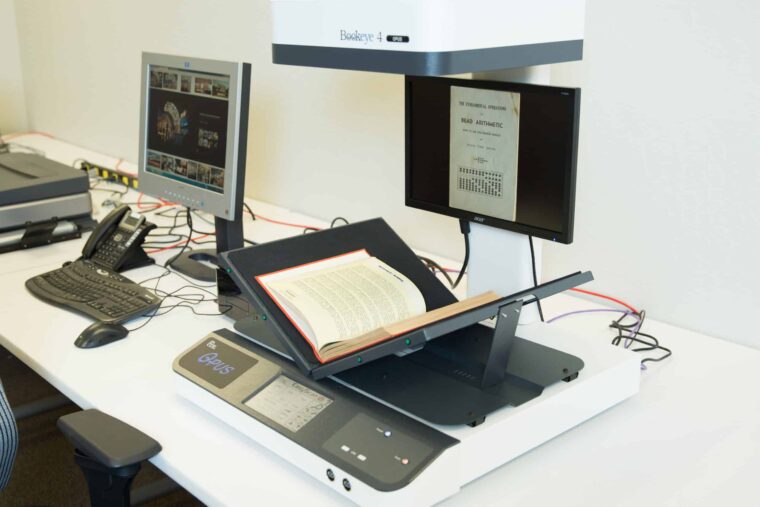
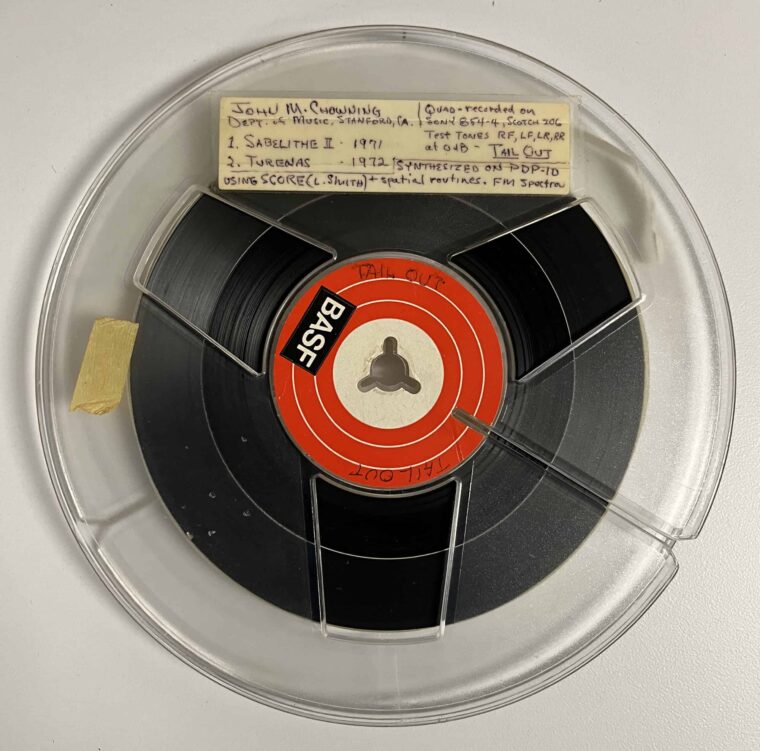
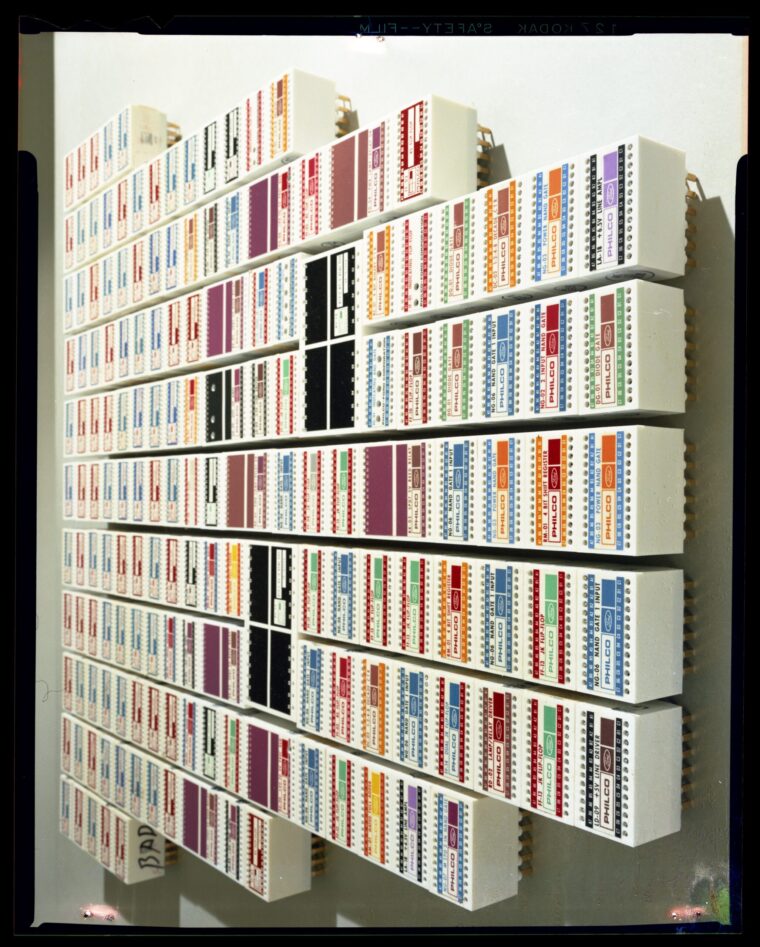
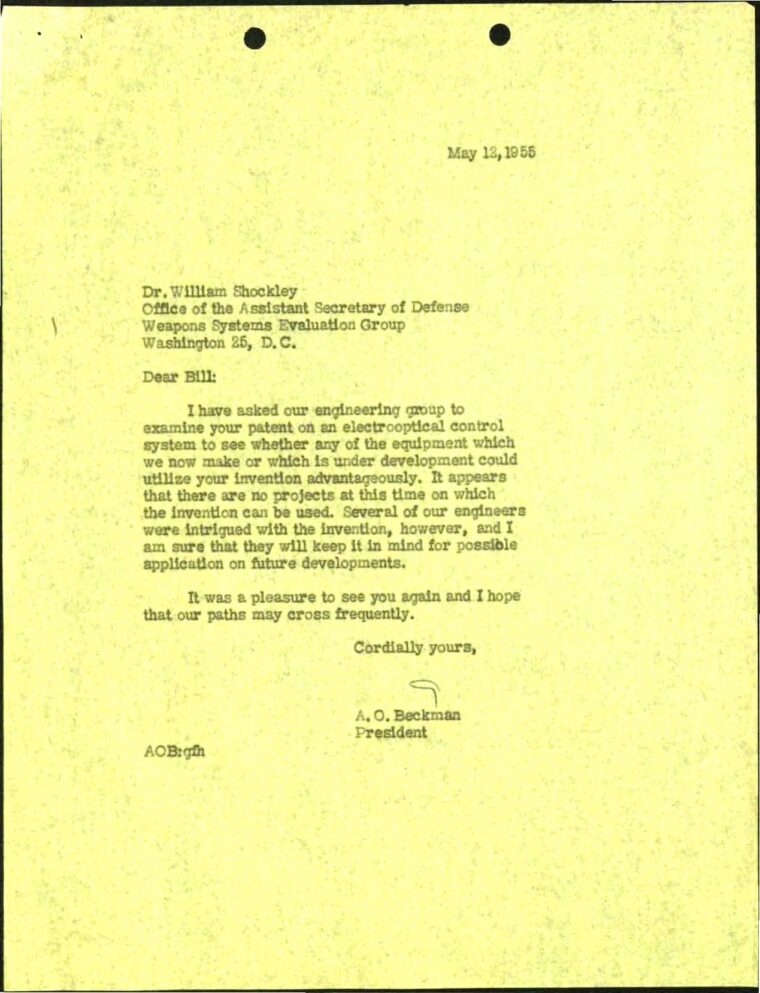
CHM Exhibit Developer Kiera Peacock says, “The online collections catalog search in OpenCHM is quite robust. Think of it as your portal into the thousands of artifacts, oral histories, and archives of CHM.”
Follow along with Kiera below as she searches the catalog. Start your search in a new browser window here.
Simple Search
Browse
Find Something Specific
Saw something at the Museum and want to find out more about it? Click the eye icon next to the keyword search to narrow your search to things currently on display—more than 1,000 artifacts!
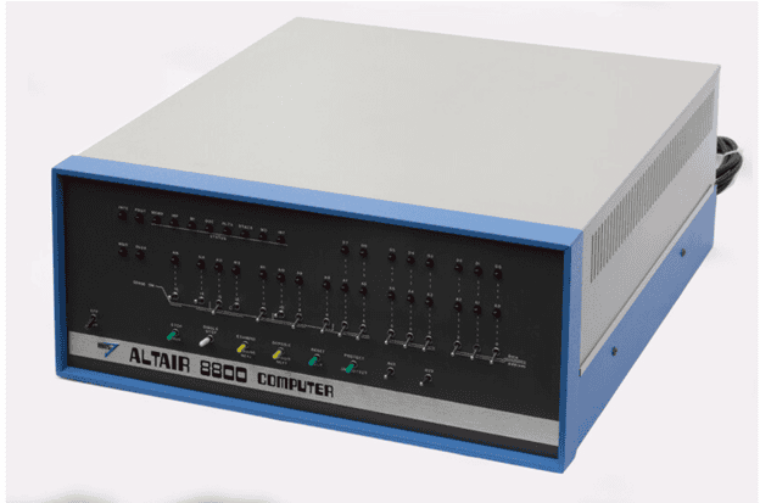
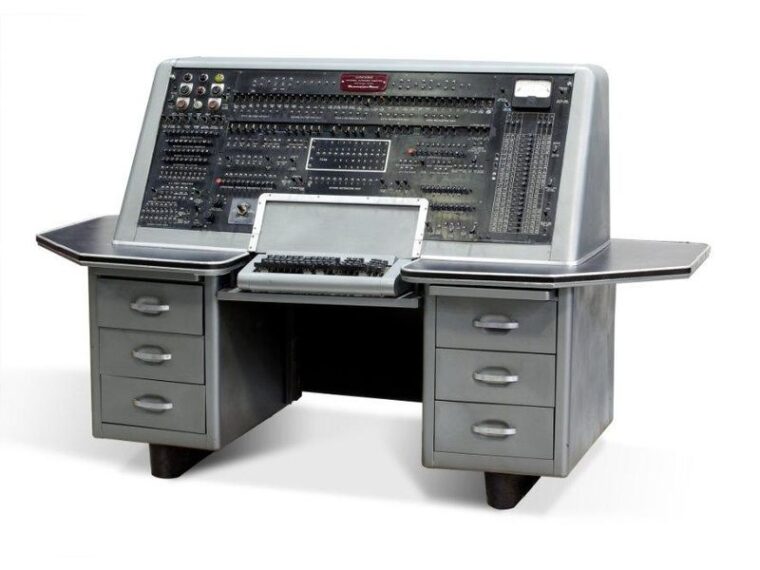
Think you’ve got it? See if you can find the 5 items below in the OpenCHM online collections catalog.



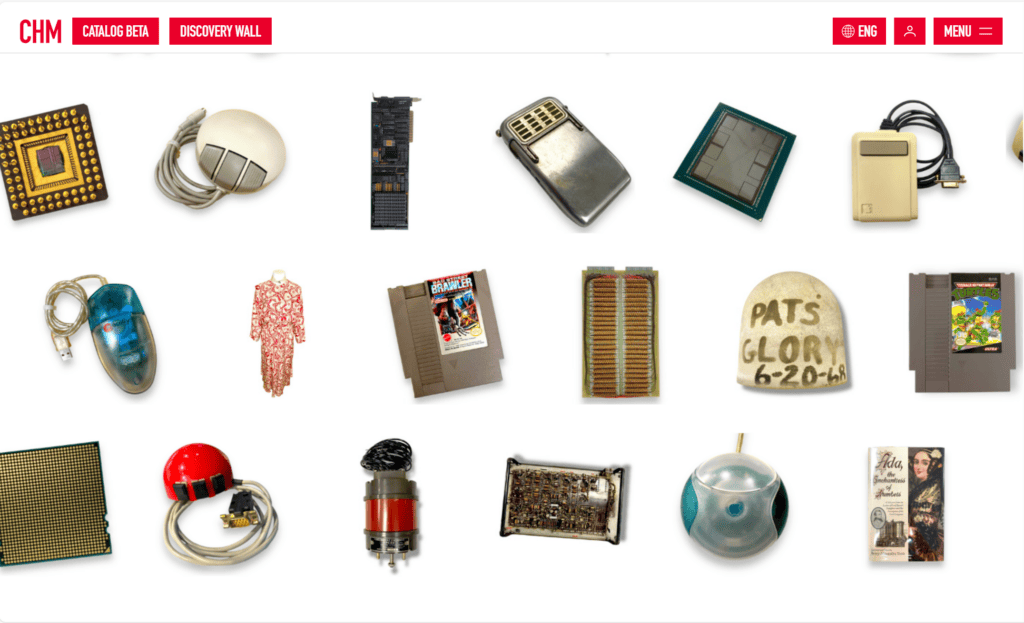
OpenCHM’s Discovery Wall features a dynamic display of artifacts chosen by online visitors. Explore some of the most interesting and admired items in the collection through an interactive visual display.
Go to the Discovery Wall.
Scott and Dorothy Bullitt Chair of American History, University of Washington and CHM Trustee
“Primary sources can intimidate students, so I’m thrilled about CHM’s new online portal. Its intuitive search and browsing features unlock the Museum’s incredible collections, making historical research more accessible and engaging. I teach a large course on the history of the digital age at UW, with students from history to engineering, and I can’t wait to see how they’ll use this tool to explore the people, companies, and tech that shaped computing history.”
Assistant Professor, Department of Informatics at the Donald Bren School of Information and Computer Sciences, UC Irvine
“After visiting the Computer History Museum, I wanted to share stories about what I learned there and the artifacts I saw with my students.
“The course I teach is called IN4MATX 131, Introduction to Human Computer Interaction. In an in-class activity, the 300 students in the course visited the OpenCHM digital archive and searched for unique artifacts. Among the most popular finds were gaming artifacts like the Nintendo Power Glove and numerous game controllers, Nintendo game boy, and Pacman game cartridge. Students were also drawn to unusual input devices, like the Hot Wheels car mouse, early ergonomic keyboards, and early head mounted displays.”
We hope you’ll join the researchers, students, journalists, filmmakers, lawyers, hobbyists, and countless others who regularly access the collection. Spend some time exploring OpenCHM! To share your feedback, take this survey.