
Apple@50 Timeline
Fifty Years of Innovation
Apple Inc. is one of the world’s most valuable companies. It revolutionized computing over and over with products and services ranging from the Apple II and the Macintosh to iTunes and the iPhone.
Founded in a humble garage by Steve Jobs and Steve Wozniak, Apple has undergone good times and bad, including over a decade without Jobs, who returned to orchestrate perhaps the most successful corporate turnaround in history. Easy to use and beautifully designed, Apple’s products embody and promote both creativity and iconoclasm, inspiring passionate loyalty from users and fans.
Follow Apple through key moments in the company’s 50-year history to date.
Explore Apple History
1971
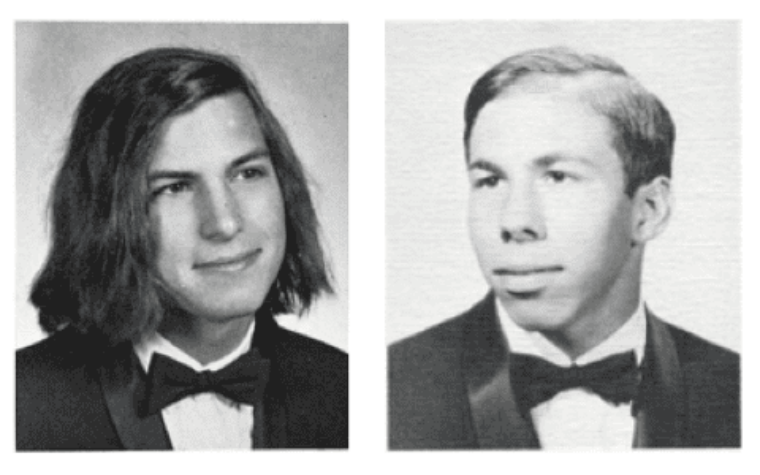
Steve Wozniak meets Steve Jobs
Bill Fernandez, a mutual friend of both Wozniak and Jobs, introduces the two. With a shared interest in electronics, the two Steves hit it off.
Image credit: Steve Jobs (left) and Steve Wozniak (right) high school yearbook photos. Homestead High School, Public domain, via Wikimedia Commons.
March 5, 1975
The Homebrew Computer Club begins to meet
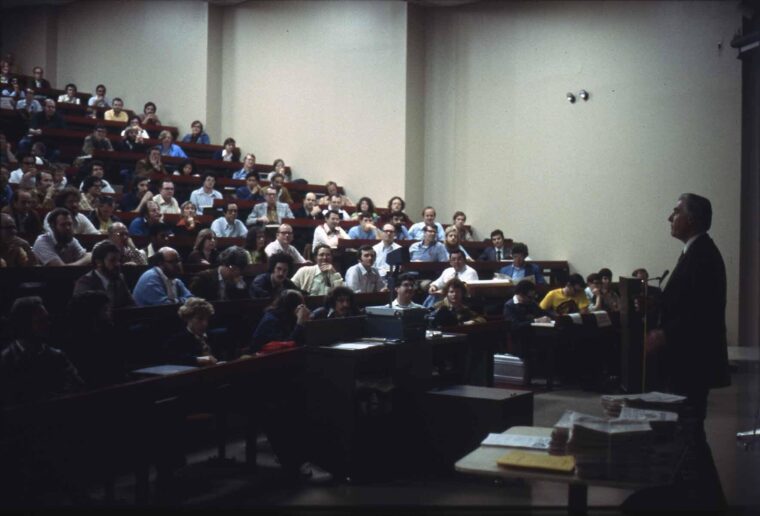
Steve Wozniak attends the first Homebrew Computer Club meeting. He will start showing off his new Apple I board design at future meetings, held in the auditorium of the Stanford Linear Accelerator Center (SLAC), shown in the image above.
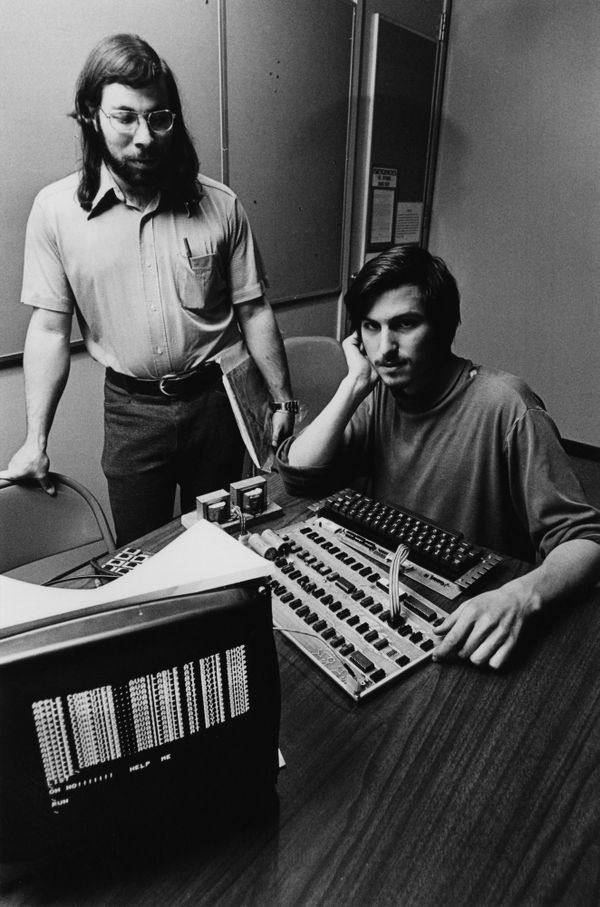
Images: (main) Gift of Lee Felsenstein, 102702618; (inset) Steve Wozniak (standing) and Steve Jobs (seated). Courtesy of Joe Melena, 102665181.
December 8, 1975
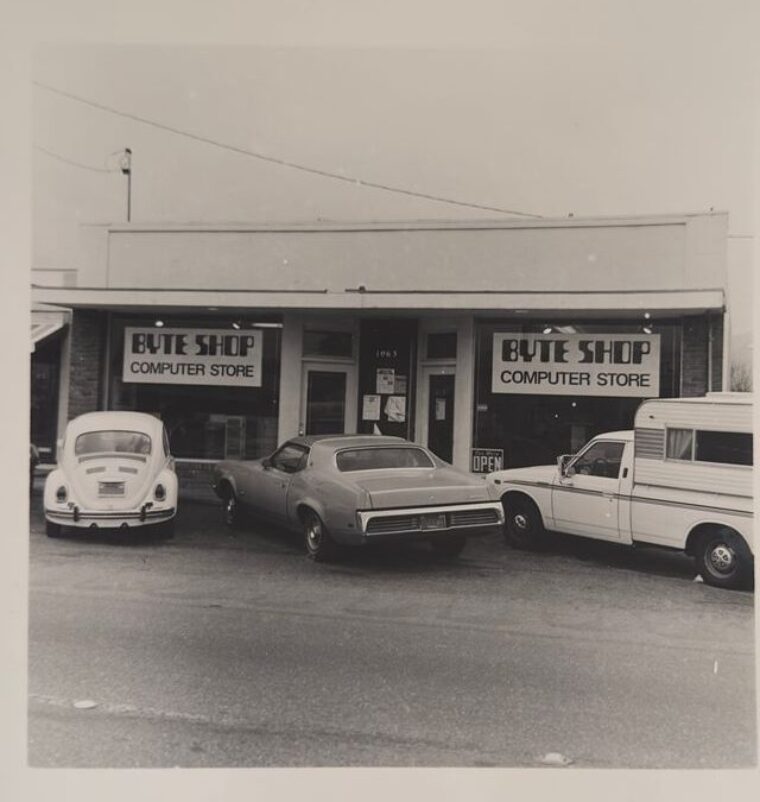
The Byte Shop opens
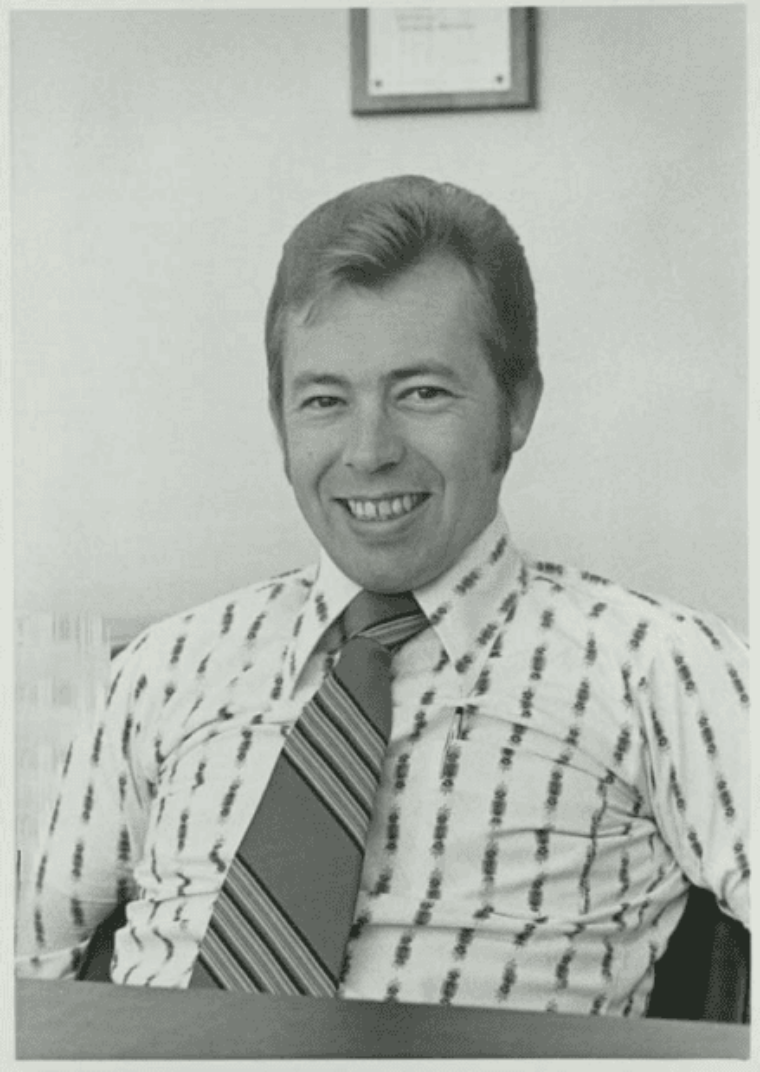
Paul Terrell opens the first Byte Shop store in Mountain View. Terrell’s order of 50 assembled Apple I boards motivates the Steves to start a company.
Image: Courtesy of Paul Terrell.
April 1, 1976
Apple Computer Company is founded
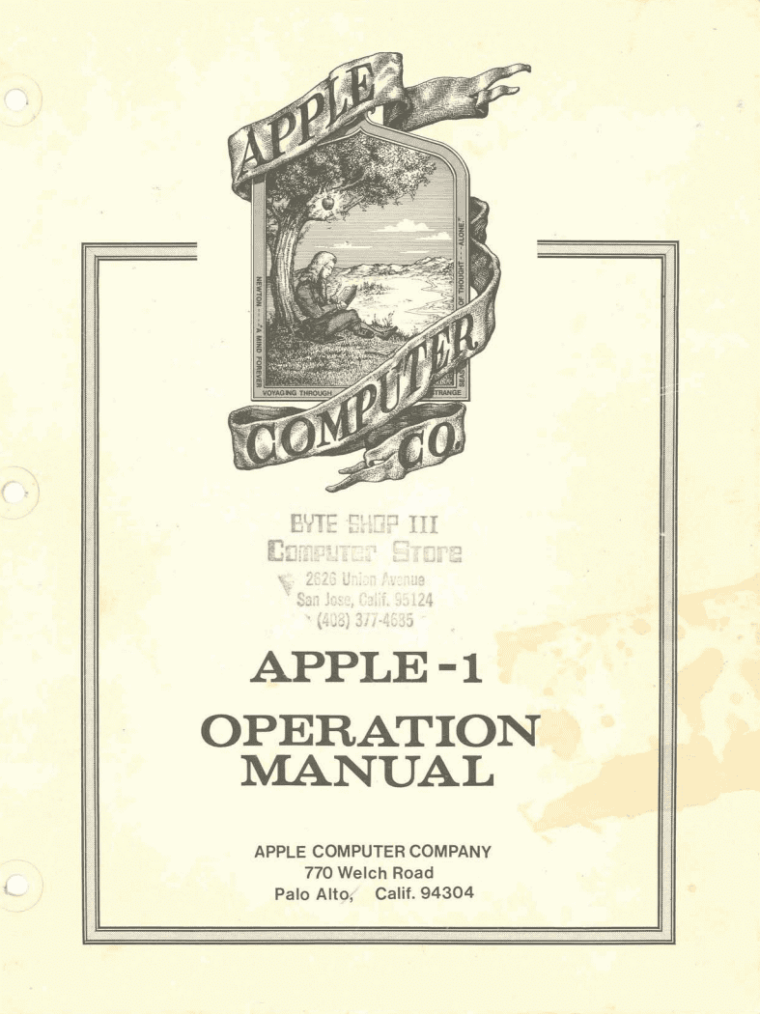
Apple Computer Company is founded as a partnership between Jobs, Woz, and Ron Wayne. Wayne pulls out eleven days later.
View the Apple-1 Operation Manual here.
Image: Computer History Museum, 102646518.
January 3, 1977
Apple Computer incorporates
In late 1976, Mike Markkula meets the Steves, agrees to invest in the company and ends up writing the business plan. Apple incorporates as Apple Computer, Inc. the following January.
Markkula meets Jobs
Writing the business plan
Image: Gift of Mike Markkula, 102789075.
April 16, 1977
Apple II debuts
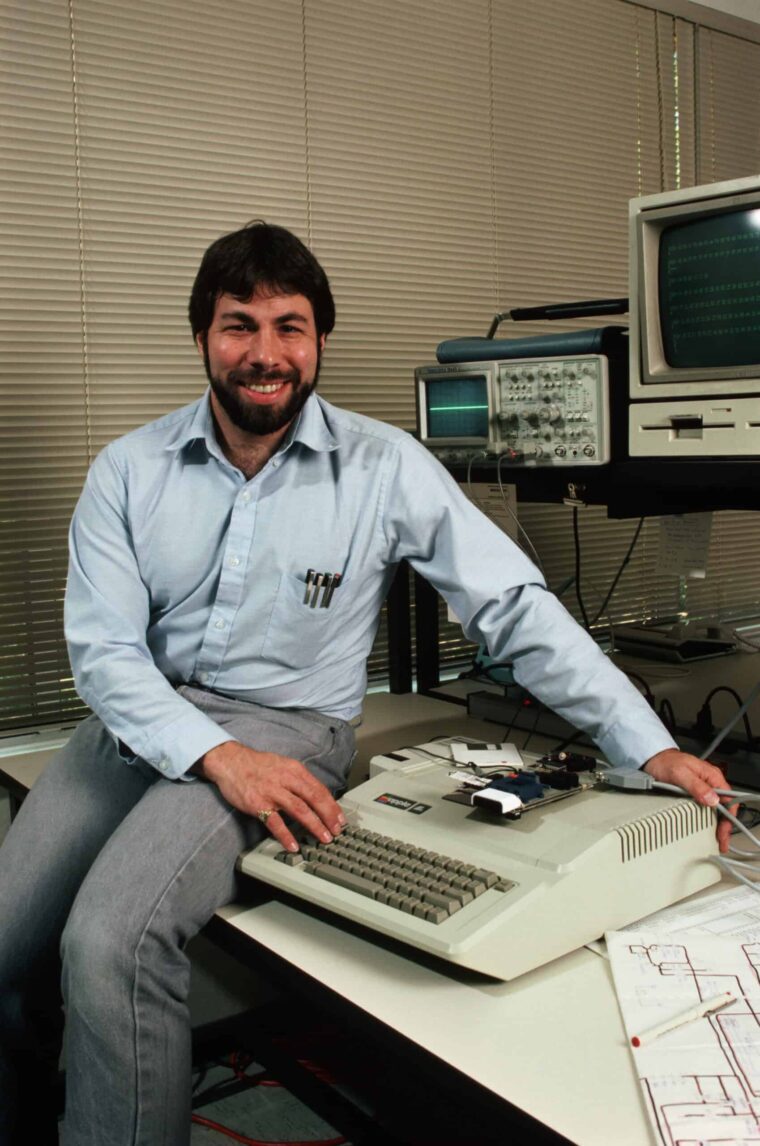
Woz and Jobs show off the Apple II at the first West Coast Computer Faire. With color graphics and eight expansion slots, it’s a hit.
Image: Photo by Roger Ressmeyer/Corbis/VCG via Getty Images.
December 1979
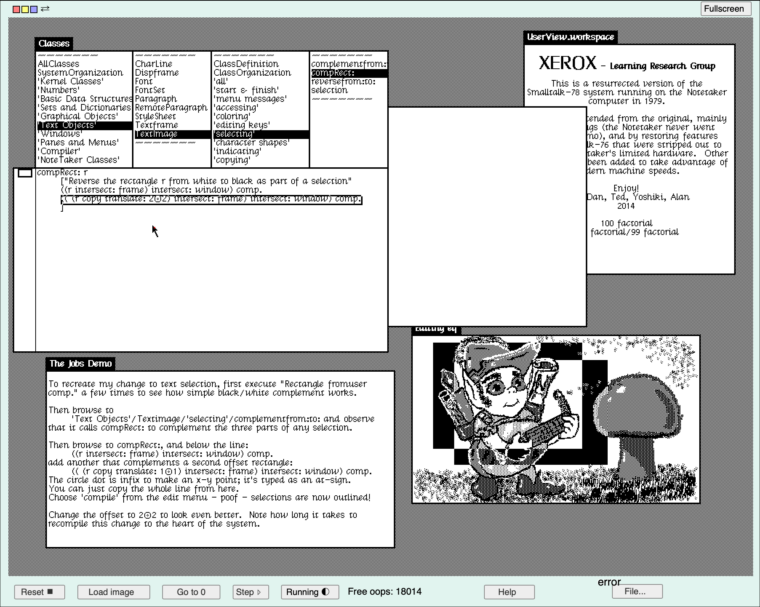
Jobs visits Xerox PARC and is inspired by the Smalltalk GUI
Steve Jobs and his Apple team visit Xerox PARC, seeing the graphical user interface for the first time. Jobs decides the Lisa Computer project must incorporate the GUI.
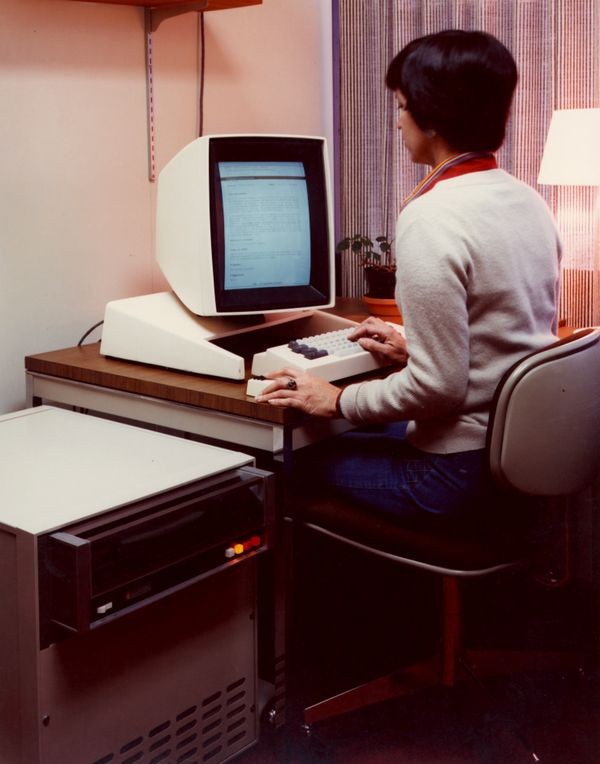
Images: (main) Smalltalk-78 emulated in the Smalltalk Zoo, showing the demo given to Steve Jobs by Dan Ingalls in 1979. Screenshot by CHM Curator Hansen Hsu; (inset) Alto at Xerox PARC. Courtesy of the PARC Library, 102710356.
December 12, 1980
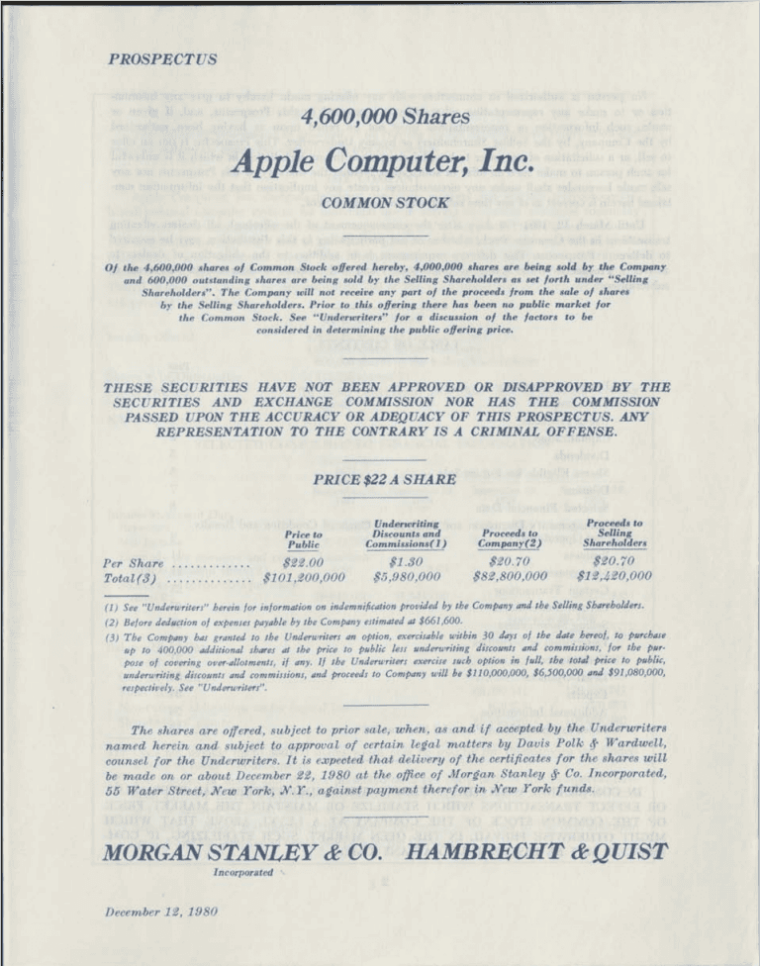
Apple goes public
Apple goes public at $22 a share, generating over $100 million underwritten by Morgan-Stanley and boutique investment bank Hambrecht & Quist. Jobs and Woz are instant millionaires.
View the Preliminary Confidential Offering Memorandum and Stock Options here.
Image: Gift of Mike Markkula, 102783503.
January 19, 1983
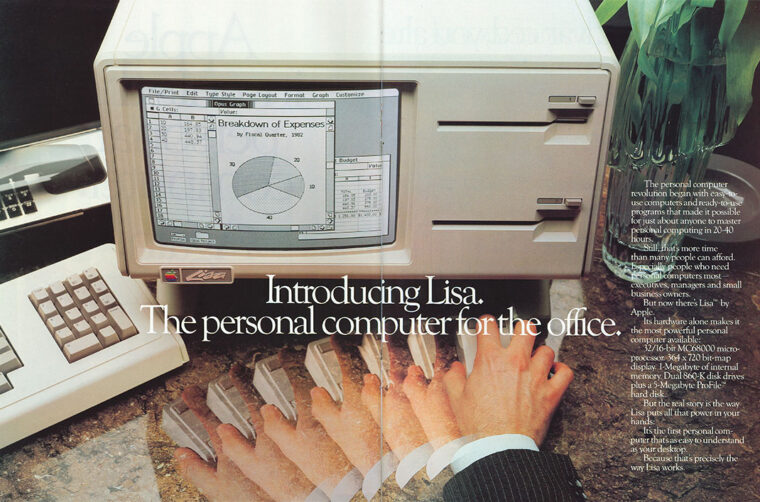
Apple introduces the Lisa
Apple introduces the Lisa, the first consumer PC with a graphical user interface and a mouse. At a pricey $9,995, Lisa fails in the marketplace.
Image: Computer History Museum, 102634506.
January 24, 1984
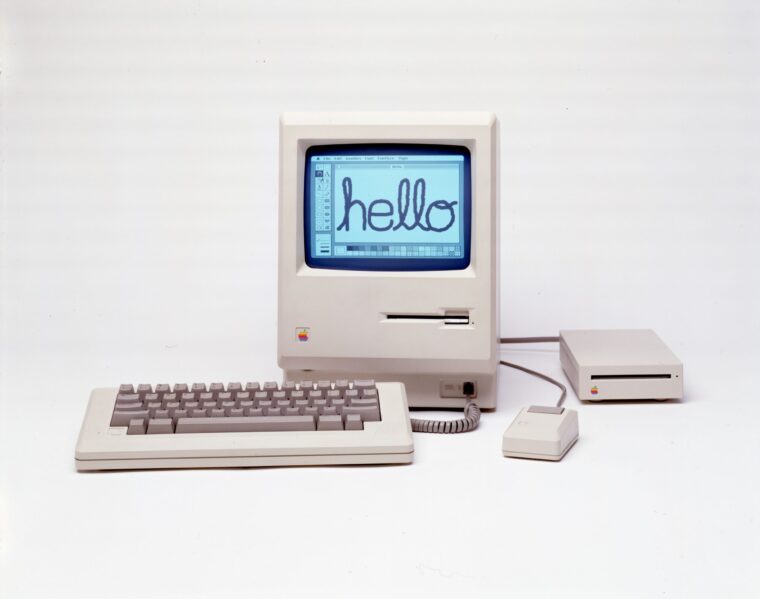
Macintosh brings graphical computing to more users
Jobs unveils the Macintosh along with the famous “1984” ad. At a quarter of the cost of Lisa, it brings the GUI to “the rest of us.”
Image: Courtesy of Rick English, 102808274.
September 17, 1985
Steve Jobs resigns from Apple
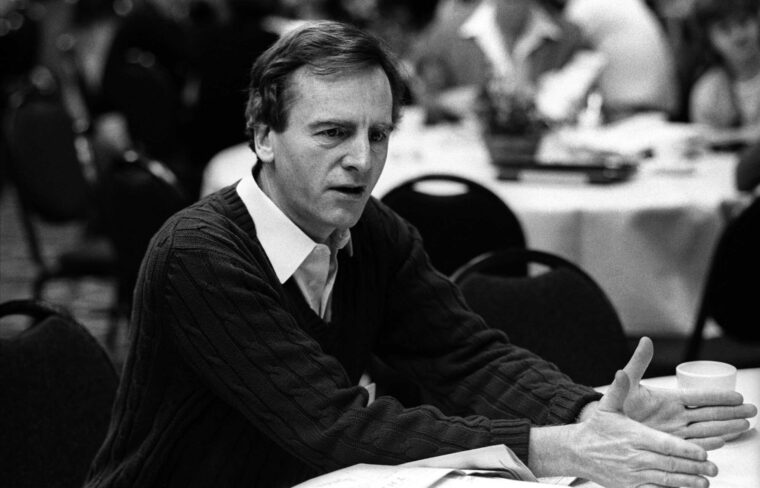
CEO John Sculley demotes Jobs from his position as Macintosh division head in April and thwarts an attempted boardroom coup by Jobs in May. After a summer pondering his future, Jobs leaves to start NeXT Computer in September.
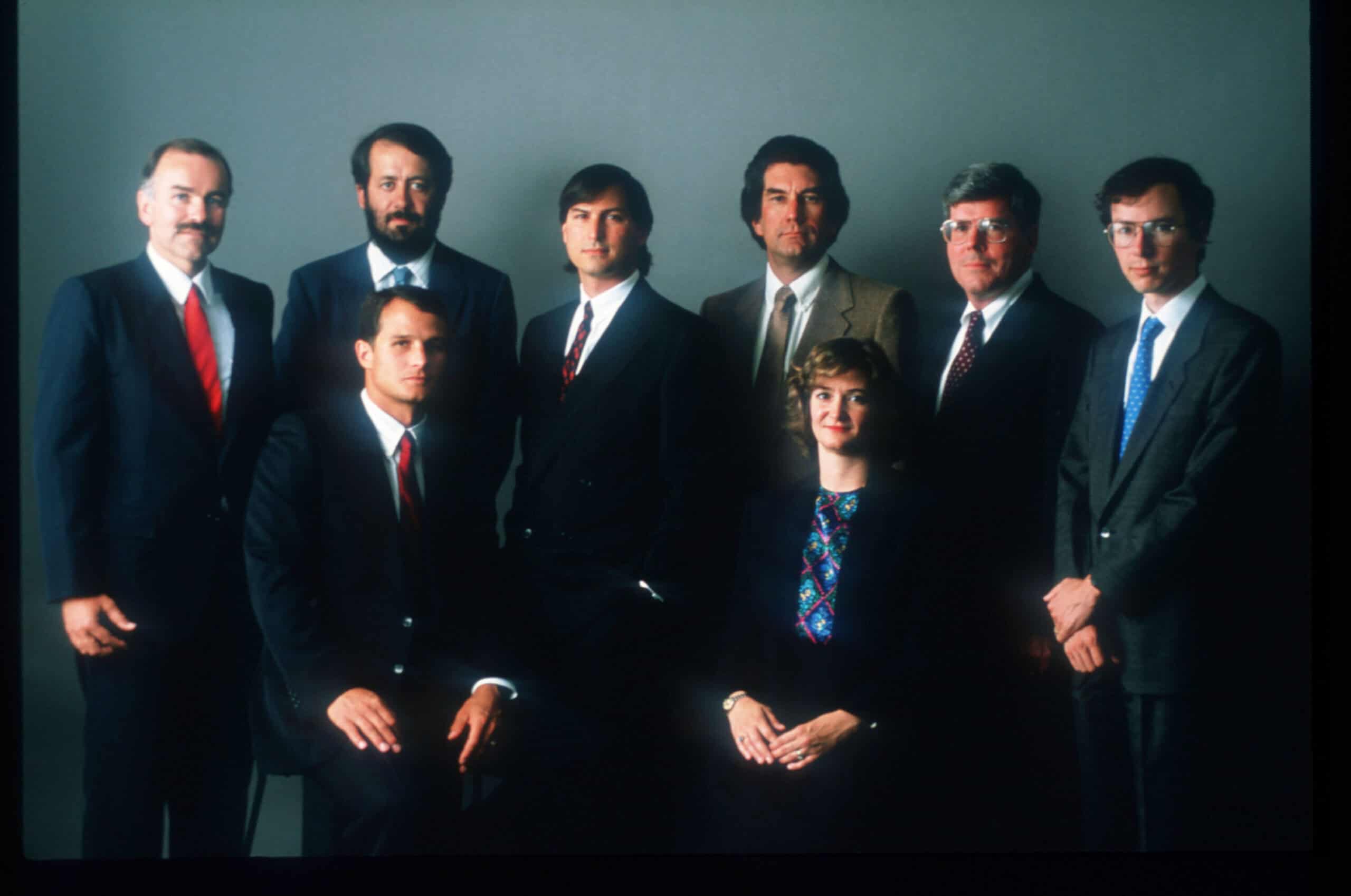
Images: (main) John Sculley. Photo by Ann E. Yow-Dyson/Getty Images; (inset) NeXT senior staff, including Steve Jobs, standing third from left. Photo via Getty Images / Stringer / Hulton Archive.
October 21, 1991
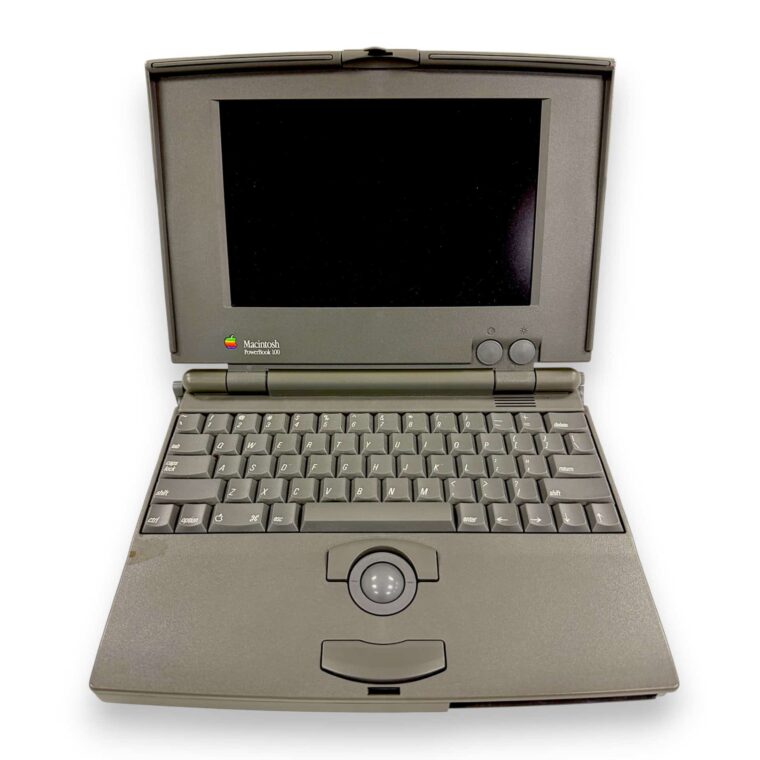
Macintosh PowerBook introduces the modern clamshell laptop
PowerBooks were the first laptops to have the keyboard back near the screen, leaving room for palm rests and a trackball (later trackpad) at the front.
Image: Computer History Museum, 102639965. Photo by CHM Curator Hansen Hsu, edited by Aurora Tucker.
December 2, 1991
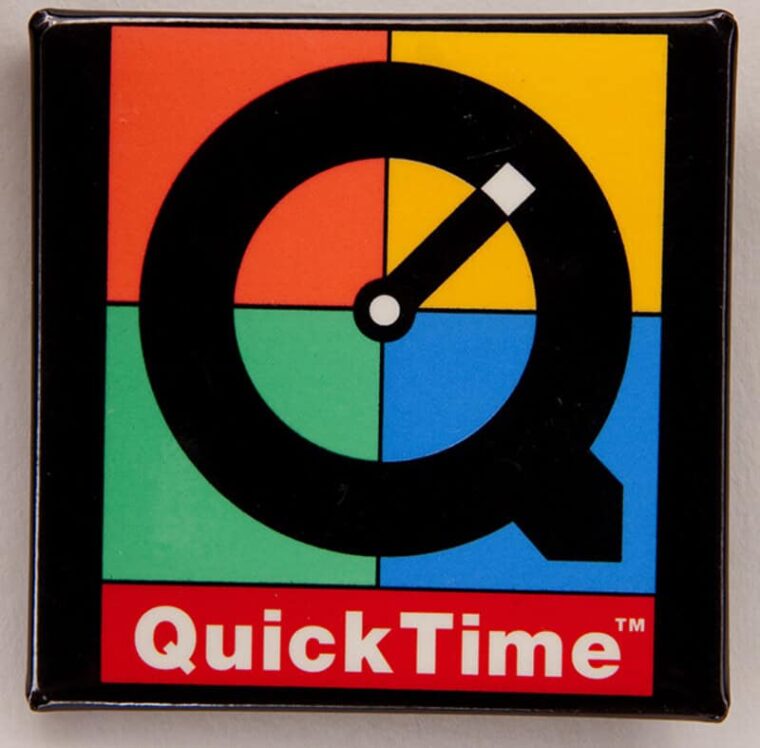
Apple releases QuickTime
Apple’s QuickTime is the first consumer-level digital video format for personal computers. Released for Macintosh OS System 6, QuickTime is later bundled with System 7 Pro.
Image: Gift of Mark Richards, 102798417.
August 2, 1993
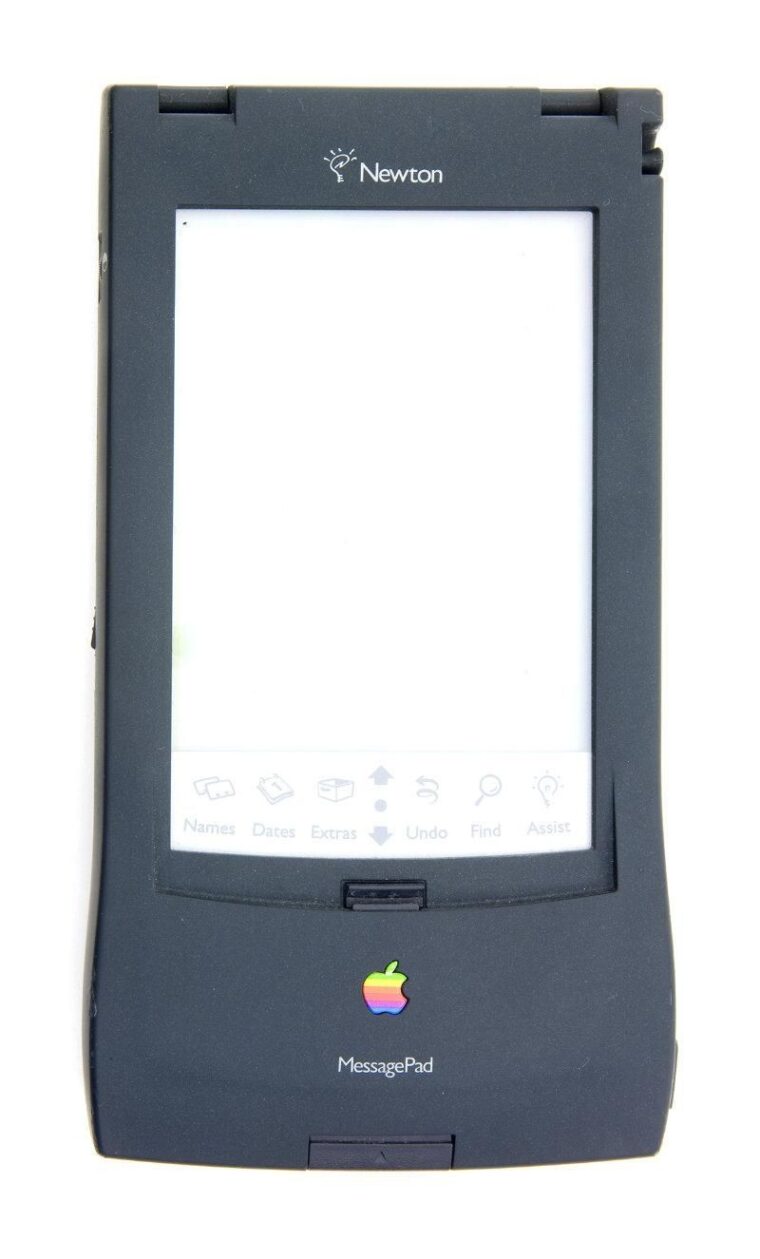
Newton MessagePad ships
Newton MessagePad, Apple’s first handheld computing device, ships. Its troubled launch contributes to John Sculley’s replacement by Michael Spindler as CEO.
Image: Newton MessagePad, 1993. Collection of the Computer History Museum, X2358.2002A. Photo ©Mark Richards.
March 14, 1994
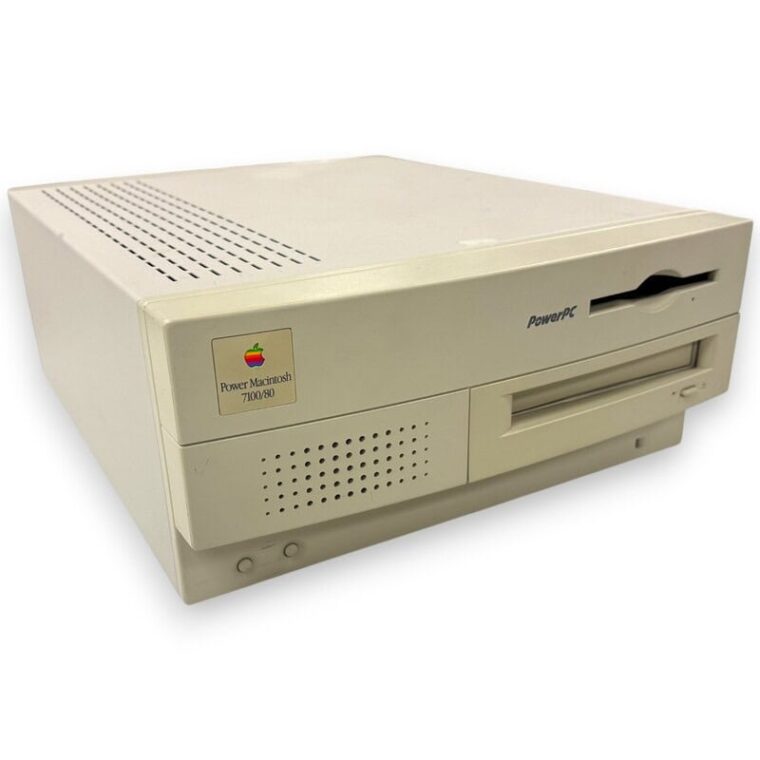
Macintosh transitions to PowerPC processors
Apple introduces the first Macintosh computers that use PowerPC RISC chips, the result of a collaboration with IBM and Motorola. The PowerPC chips replace the Motorola 68000 series chips used in earlier Macs.
Image: Gift of Thomas H. Bennett, 102711296.
1997
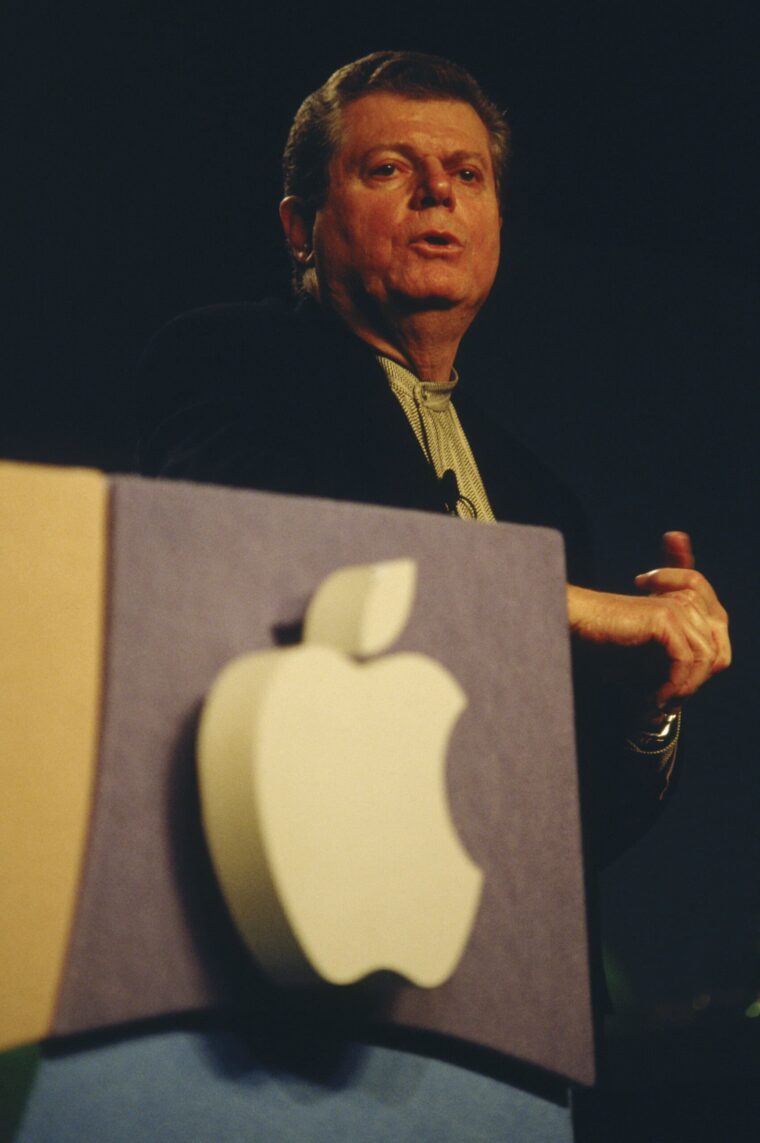
Steve Jobs returns
Needing a new OS, Apple acquires Jobs’ NeXT in February. In June, Jobs replaces Gil Amelio as CEO. He kills off most of the existing product line, including Newton, and simplifies Apple’s offerings to just four Macs.
Image: Gil Amelio speaking at Macworld Expo, January 1997, where he announced the acquisition of NeXT. Photo by David Butow/Corbis via Getty Images.
March 24, 2001
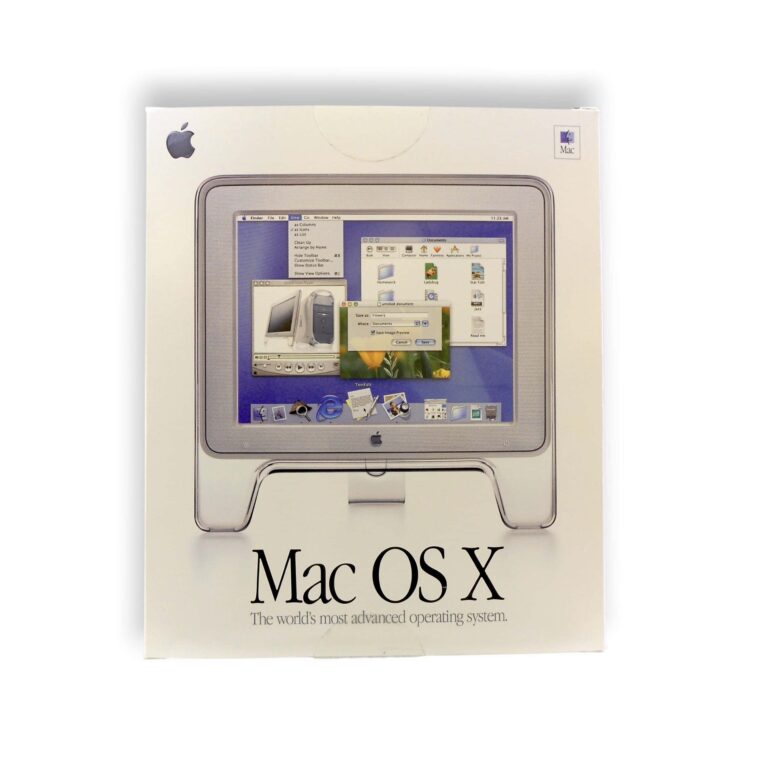
Apple releases Mac OS X 10.0 Cheetah
Mac OS X, based on the NeXTSTEP OS, becomes the foundation of all future Apple operating systems, replacing the classic Mac OS.
Image: Gift of Kenneth Russell, 102747741.
2001
Apple revolutionizes music with iTunes and iPod
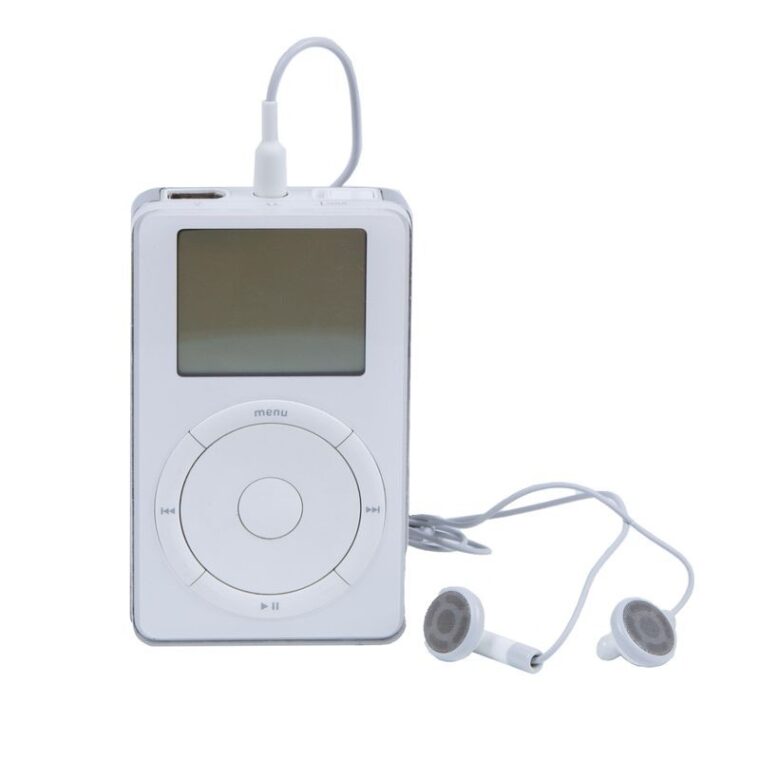
In January, iTunes debuts, allowing users to play MP3s and burn them to CD. In October, Apple releases the first iPod MP3 player. Two years later, the company opens the iTunes Music Store, selling songs at 99 cents and transforming the music industry.
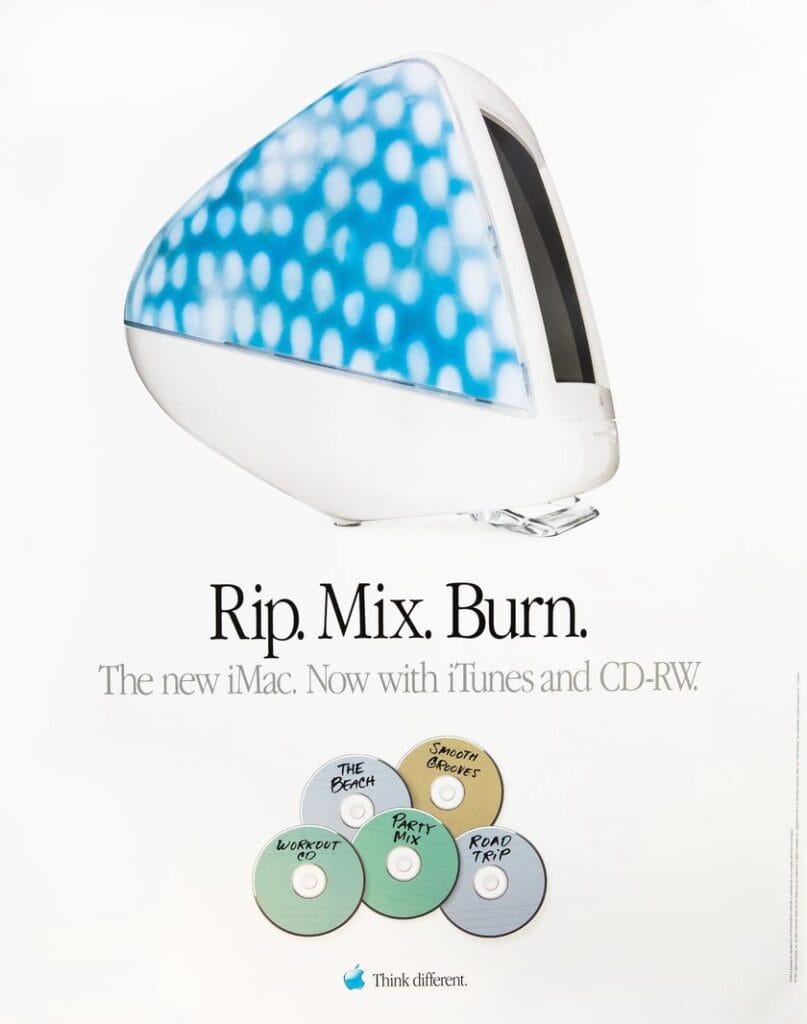
Images: (main) Computer History Museum, Gift of Jon Rubinstein, 102741160; (inset) Apple’s 2001 “Rip. Mix. Burn.” ad featured iTunes. Credit © Apple, Inc.
January 7, 2003
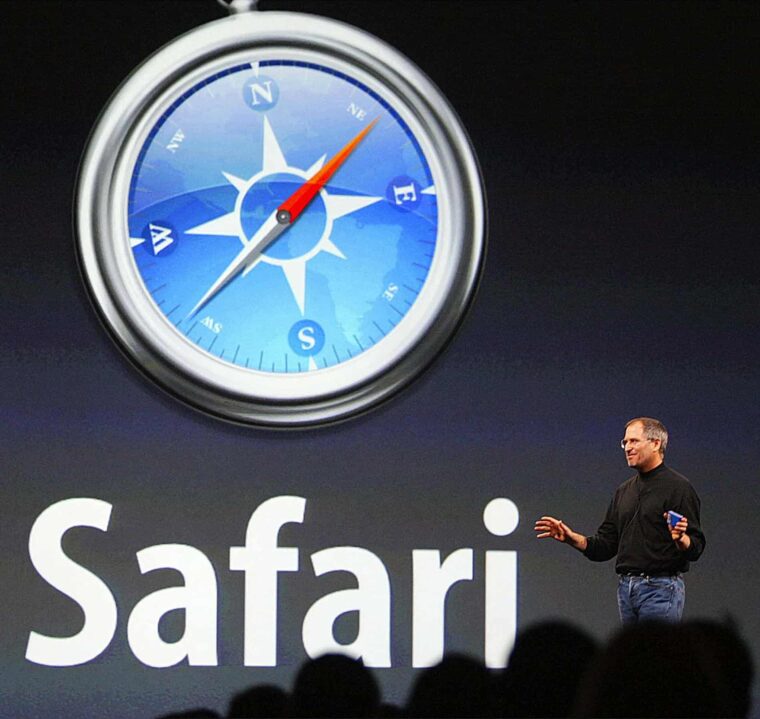
Apple launches its own web browser, Safari
Safari, based on an open-source engine, ends Apple’s reliance on Microsoft’s Internet Explorer browser. Safari will later become crucial for the success of the iPhone.
Image: Photo by John G. Mabanglo/AFP via Getty Images.
June 2005
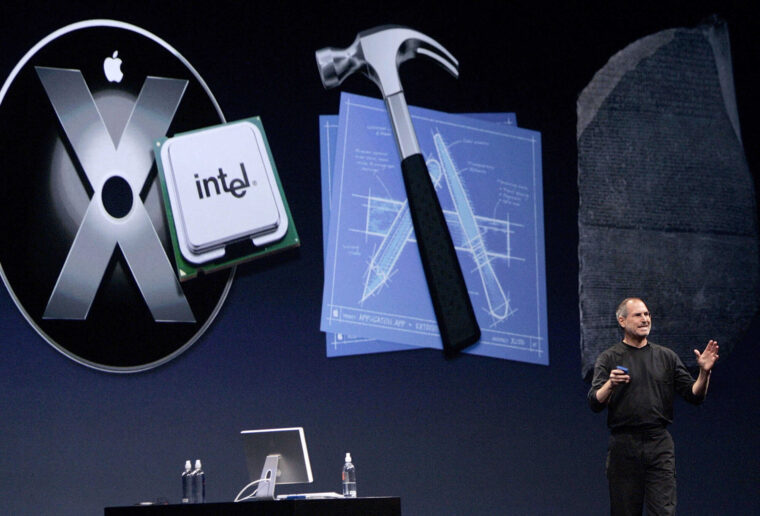
Apple announces transition to Intel processors
With Motorola and IBM falling behind in performance and energy efficiency, Apple announces it is transitioning the chip architecture in the Mac again, this time from PowerPC to Intel x86. The first Intel Macs arrive in January of the next year.
Image: Photo by David Paul Morris/Getty Images.
June 29, 2007
iPhone reinvents the mobile phone
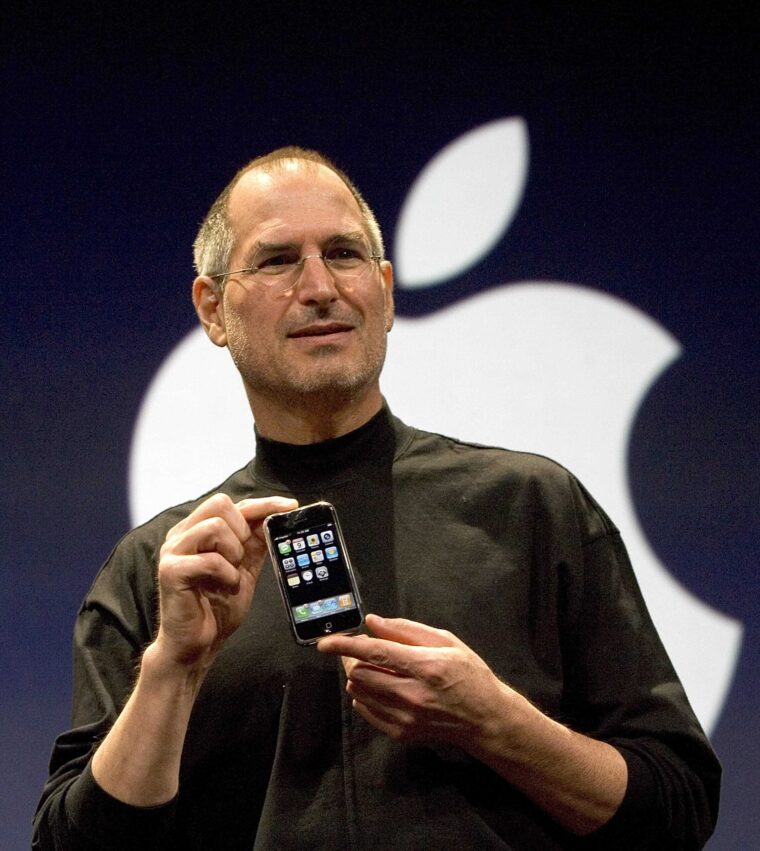
The iPhone revolutionizes smartphone design with its multitouch interface. The Apple App Store opens the following year. Third party apps transform the iPhone into a multipurpose device “in your pocket.”
Image: Photo by David Paul Morris/Getty Images.
April 3. 2010
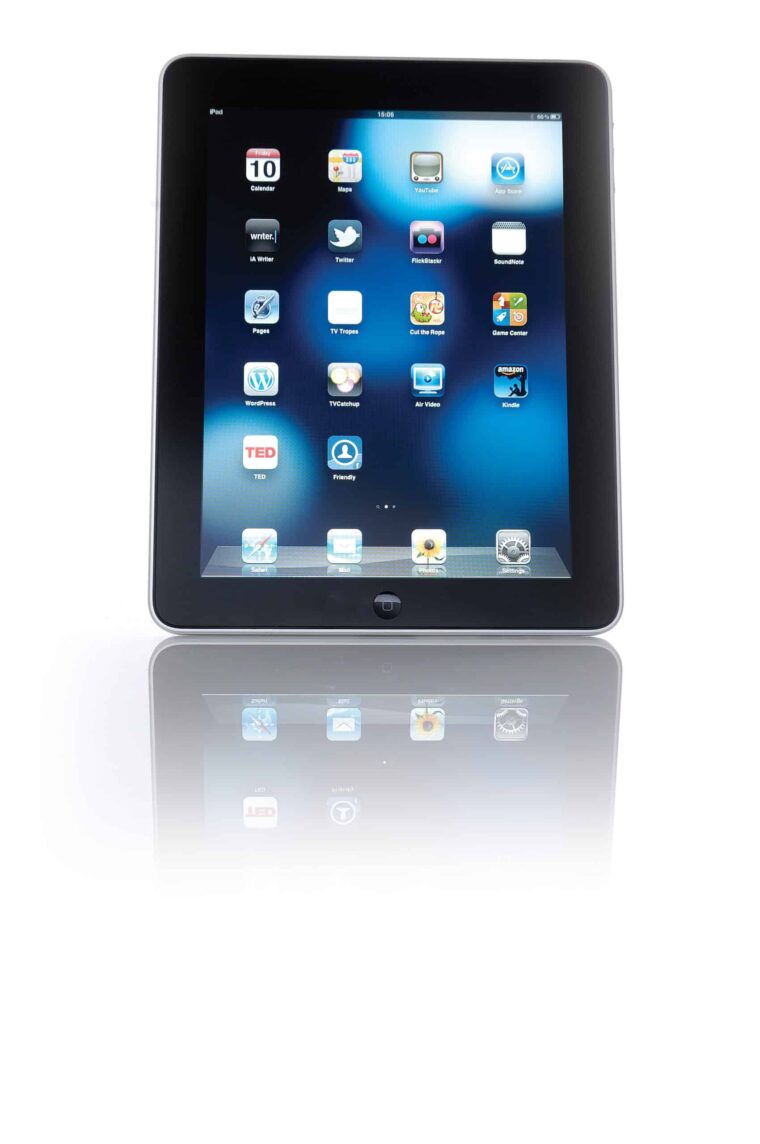
iPad Arrives
Jobs introduces the iPad tablet computer, using Apple’s first custom designed ARM chip, the A4. It uses the same OS and App Store as the iPhone.
Image: Photo by Simon Lees/PC Plus Magazine via Getty Images.
October 4, 2011
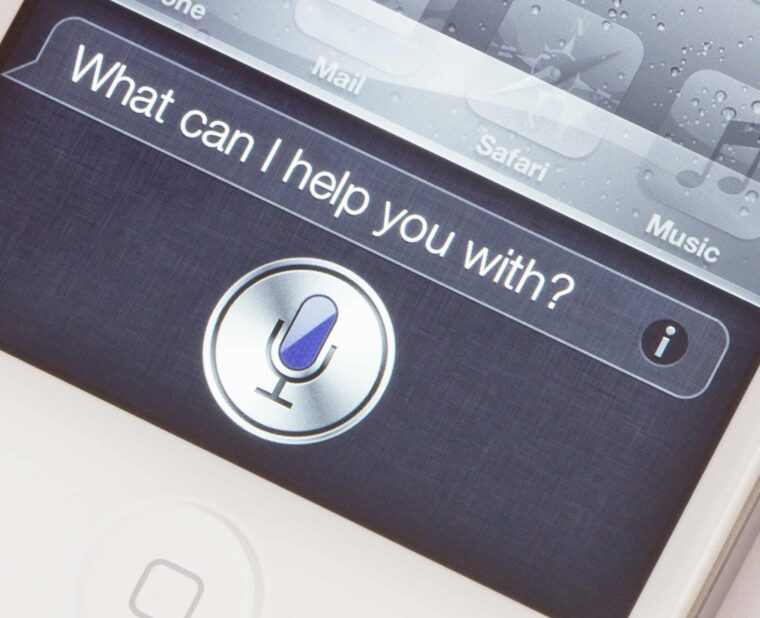
The iPhone 4S launches with Siri
Siri initially showed promise, letting users control functions of the iPhone with their voice and have funny conversations. But it failed to keep up with competing voice assistants like Amazon’s Alexa.
Image: LPETTET via Getty Images.
October 5, 2011
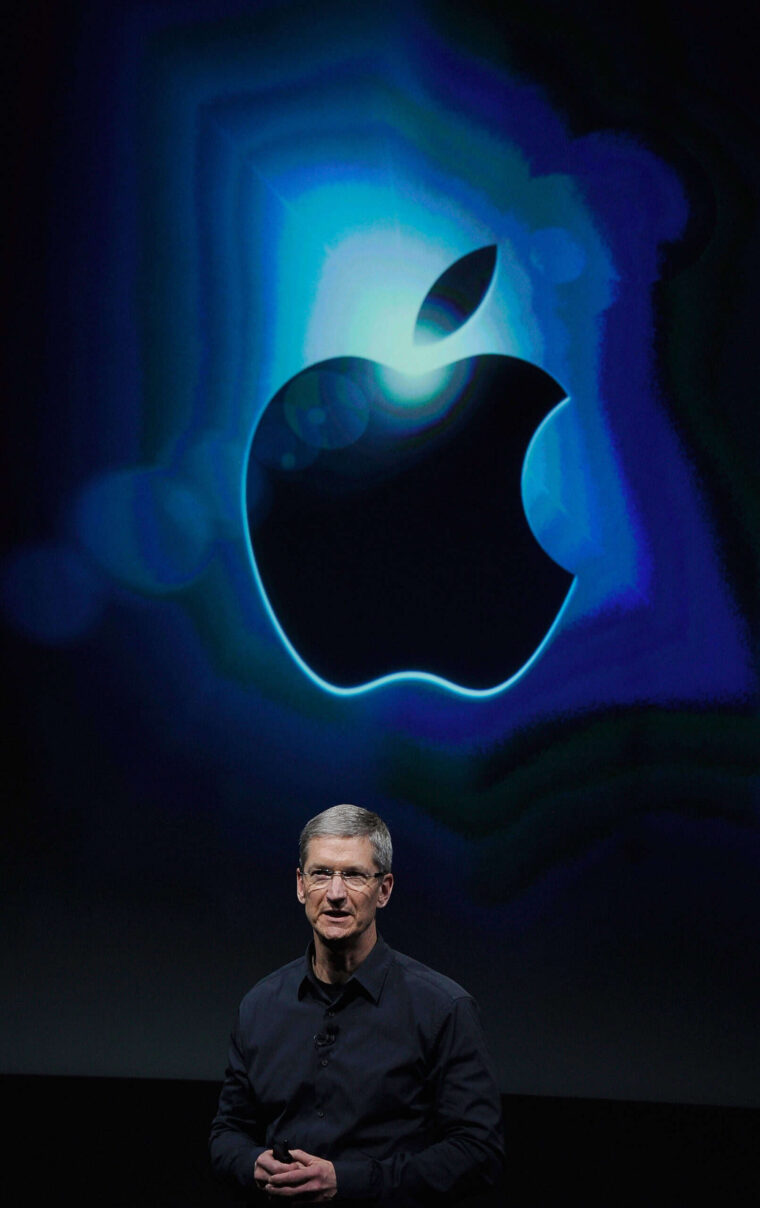
Steve Jobs passes away and Tim Cook becomes CEO
After a long battle with pancreatic cancer, Steve Jobs passes away. COO Tim Cook takes over as CEO.
Image: Photo by Kevork Djansezian/Getty Image.
April 24, 2015
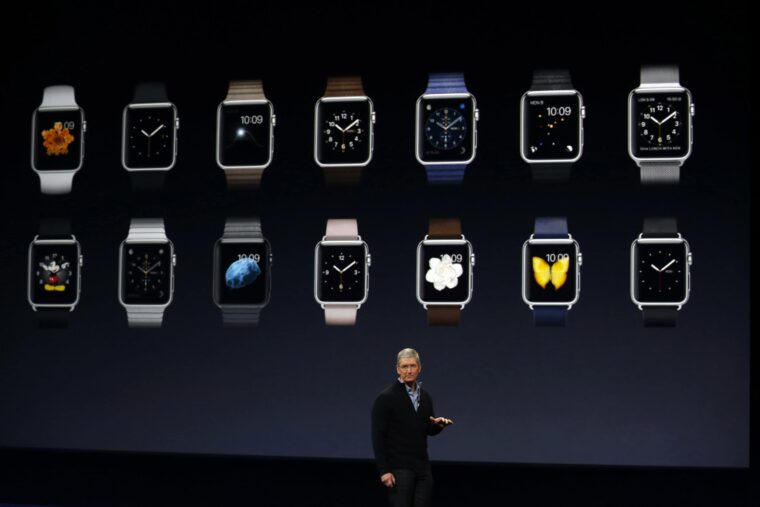
Apple Watch combines technology, fashion, and fitness
Cook unveils the Apple Watch. Designed by Jony Ive as a high fashion accessory, sales start slow but pick up after pivoting to a focus on fitness.
Image: Photo by Stephen Lam/Getty Images.
December 2016
AirPods offers seamless wireless connection
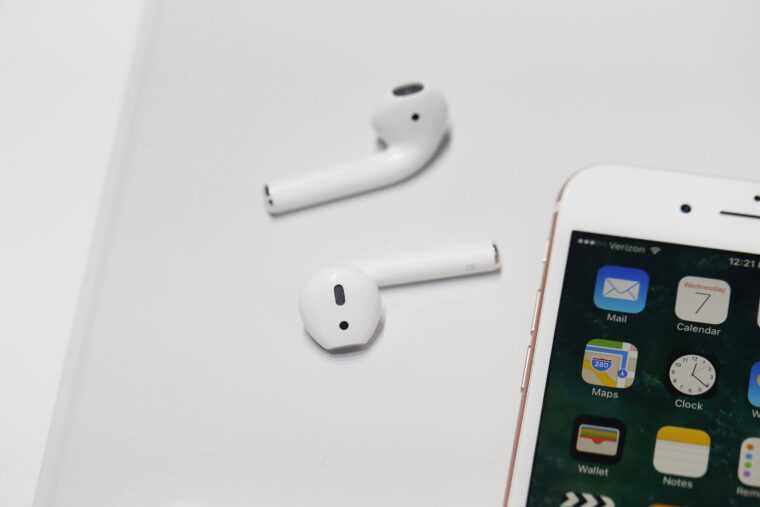
Apple releases AirPods wireless earbuds for iPhones, Apple Watches, and other devices. Today, AirPods are Apple’s most popular wearable computing device.
Image: Photo by Stephen Lam/Getty Images.
August 2, 2018
Apple becomes the first company to reach a market value of $1 trillion
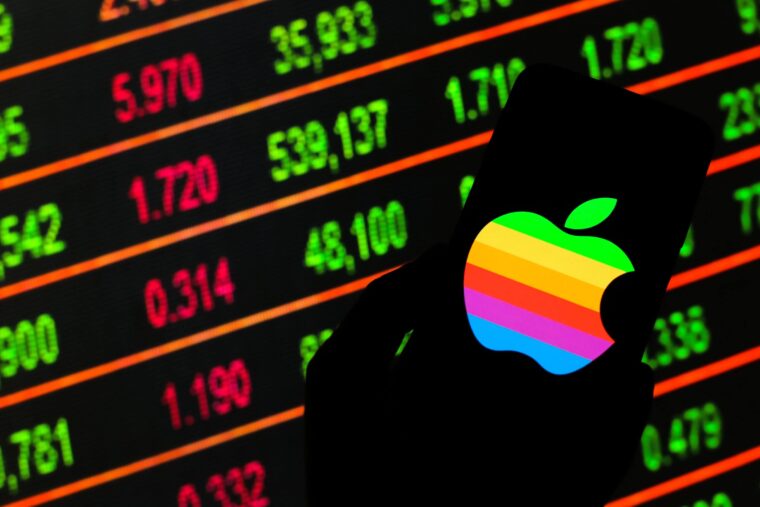
Under Tim Cook’s leadership, Apple’s market valuation breaks $1 trillion, the first for any company ever. It breaks further records when it reaches $2 trillion in 2020 and $3 trillion in 2022.
Image: Photo by Filip Radwanski/SOPA Images/LightRocket via Getty Images.
2020
Mac transitions to Apple Silicon
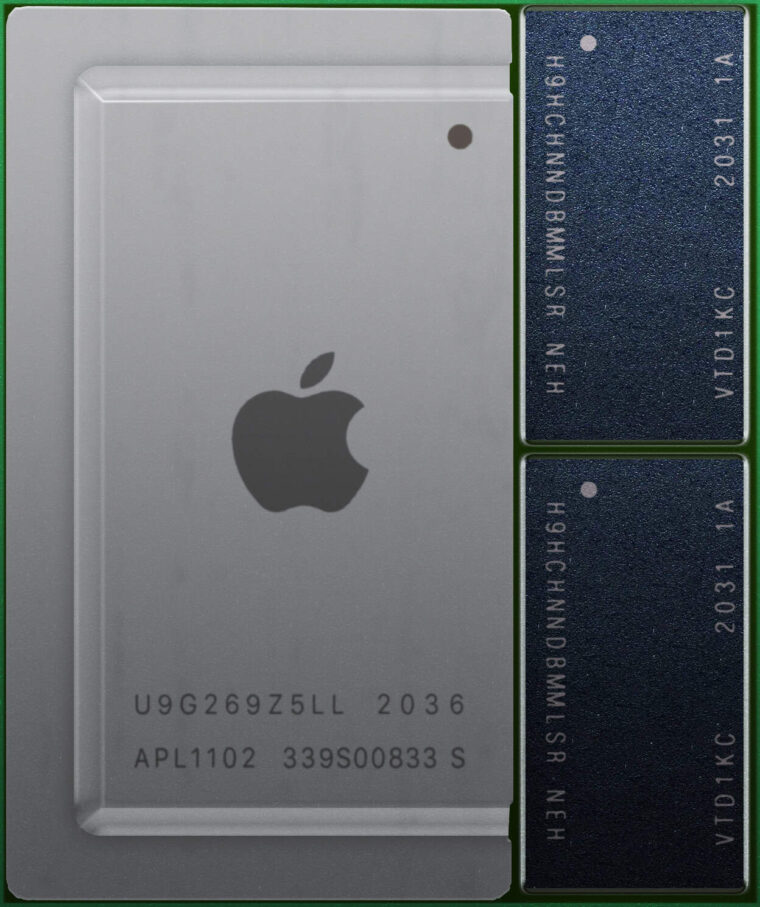
Building on its iPhone and iPad chip design expertise, in June, Apple announces its third Mac CPU transition, from Intel to custom-designed “Apple Silicon” ARM chips. The first Macs with the new M1 chips arrive in November, dramatically increasing performance and battery life.
Image: Henriok, CC0, via Wikimedia Commons.
2024
Apple’s present and future
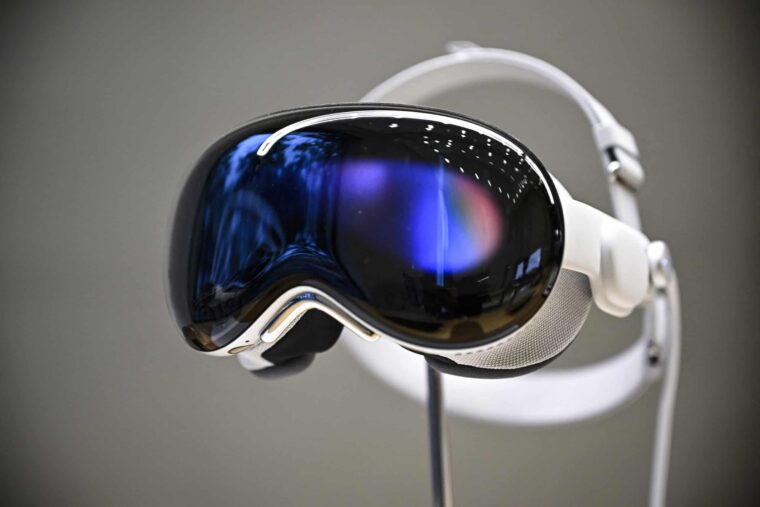
In February, Apple releases its first mixed-reality headset, the Vision Pro, at $3,500. In June, the company announces Apple Intelligence, its AI strategy. Both receive mixed reviews. How will Apple predict and respond to the next generation of cutting-edge tech?